
Waste Oil
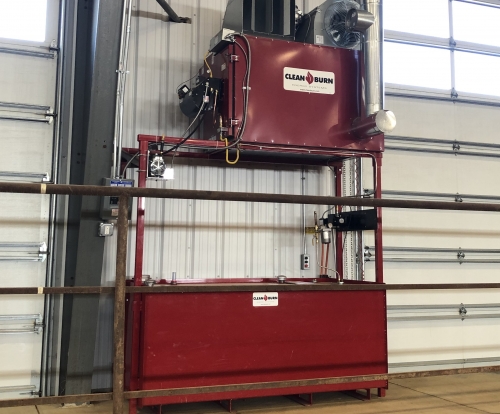
Walk into most service shops in January and you'll find the same corner: a row of 55-gallon drums, a funnel balanced on the nearest lid, and a hauler's pickup date penciled on the wall. Clean Burn's answer is a single workbench storage tank that also anchors your shop heater. The Clean Burn Recycling Center is a UL-listed 215-gallon storage tank that holds used oil beneath a mounted Clean Burn furnace. The system collects and stores oil for on-site heating, eliminating the need to send it away for re-refining before it can be used as fuel.
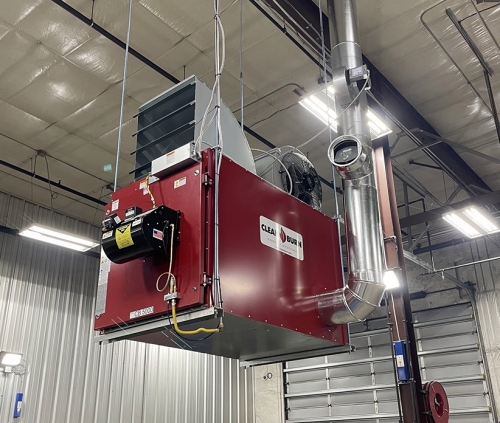
A Clean Burn furnace that short cycles, repeatedly locks out, or puts out less heat than usual may be warning you about a problem before it outright fails. Clean Burn service can include routine maintenance, troubleshooting, or repairs when the system isn't operating properly. Catching those symptoms early can keep a smaller issue from leaving your shop cold in January. Interstate Energy supports Clean Burn systems across Colorado and Eastern Wyoming, with scheduled maintenance available to help keep equipment ready for the heating season.
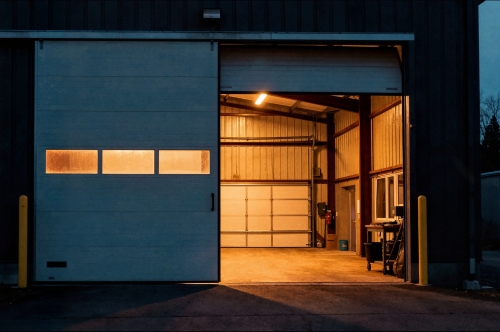
Every Clean Burn furnace is built for different heating demands, waste oil production levels, and building layouts. Choosing the right model affects everything from heating performance to how efficiently your shop puts its waste oil to use over time. Whether you're replacing an aging furnace, expanding your facility, or installing a waste oil heating system for the first time, selecting the right unit now can help avoid costly changes later. We offer the full Clean Burn furnace lineup, and the sizing guidance below will help you identify the best fit for your shop.

Heating a large shop or facility is not cheap. Costs continue to rise, and many businesses still pay for traditional heat while used oil sits unused or gets hauled away. That disconnect adds up. You already have a fuel source on site, yet you are still covering the cost of keeping your building warm. That’s when waste oil heater installation starts to make sense. Early decisions shape how the system performs over time. Poor placement, incorrect venting, or improper sizing can reduce efficiency and create problems down the line. A well-planned installation keeps the system running reliably from day one.