
Displaying items by tag: waste oil furnace
Waste Oil Heater Installation: What Matters Before You Start

Heating a large shop or facility is not cheap. Costs continue to rise, and many businesses still pay for traditional heat while used oil sits unused or gets hauled away. That disconnect adds up. You already have a fuel source on site, yet you are still covering the cost of keeping your building warm. That’s when waste oil heater installation starts to make sense. Early decisions shape how the system performs over time. Poor placement, incorrect venting, or improper sizing can reduce efficiency and create problems down the line. A well-planned installation keeps the system running reliably from day one.
Waste Oil Furnaces: Spring Maintenance and System Performance

Winter places heavy demand on heating systems. Day after day, furnaces cycle to keep shops, garages, and industrial buildings warm. By the end of the heating season, many systems have logged hundreds of hours of operation. Over time, small changes develop inside waste oil furnaces as systems run through a full heating season. Burners collect residue, airflow components gather dust, and heat transfer surfaces slowly accumulate soot. The furnace continues running, but overall efficiency gradually declines. The end of the heating season is the ideal time to address those changes. A scheduled inspection allows technicians to evaluate performance and complete needed service before minor issues grow into costly repairs. Preventive service also helps prepare the system for the next heating season. Facilities that schedule maintenance at the end of the heating season often see improved efficiency and fewer service interruptions later in the year.
The Benefits of Waste Oil Heating Systems for Large Warehouses
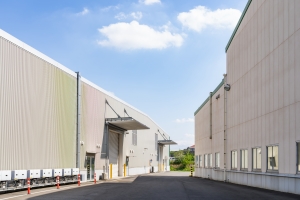
Cold weather exposes every weakness in a warehouse. Heat rises where no one works. Cold air rushes in through open dock doors. Fuel bills climb while indoor temperatures never feel stable. If that sounds familiar, you are not alone. Many facility managers reach the same breaking point and start looking at waste oil heating systems as a way to regain control over winter heating. Warehouses that generate used oil often sit on an untapped fuel source. When that oil is reused on site, heating becomes more predictable and easier to manage.
Waste Oil Heating Systems: Cut Costs, Reuse Fuel, Stay Warm

Cold months don’t just bring a drop in temperature, they stretch your budget, slow operations, and highlight inefficiencies in your heating setup. For businesses that generate oil during daily operations, there’s a practical alternative to overpriced propane or natural gas: heating with what you already have.
Farm Energy Management with Waste Oil Agriculture Furnaces
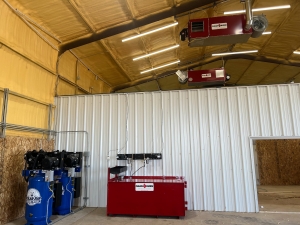
Energy consumption on farms isn’t just a utility—it’s an operational heartbeat. From keeping livestock warm in the dead of winter to heating machinery shops or processing buildings, energy usage can quietly, but quickly, become one of the largest drains on an agricultural budget. But there’s a smarter, more cost-effective way forward, like leveraging waste oil agriculture furnaces to reduce dependency on volatile fuel markets, turn waste into a resource, and take back control over your operation’s energy strategy.
Innovative Uses for Used Motor Oil and Waste Oil Furnace Benefits
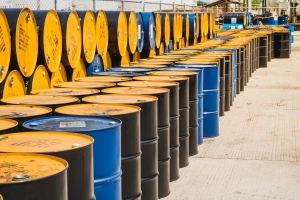
Used motor oil piles up fast in industrial and commercial settings. Shops, fleets, and farms all face the same question: what should you do with it once it’s drained? Tossing it isn’t just a waste—it’s a missed opportunity. That’s why more people are asking about the uses for used motor oil, especially as cleaner, more efficient waste oil systems become widely available.
5 Common Mistakes to Avoid When Using a Waste Oil Furnace

Waste oil burners are an eco-friendly and cost-effective heating solution that can benefit both businesses and homeowners. By recycling used oil, they offer an efficient way to heat spaces while helping the environment. However, to maximize the potential of your waste oil furnace and maximize safety, it’s crucial to avoid some common pitfalls.
3 Reasons to Make the Switch to a Used Oil Burner

Have the heating bills for your business been creeping up a little too high for your comfort? Maybe it's time to make the switch to a used oil burner. While heating systems are necessary for areas with cooler climates, traditional furnaces and boilers can be costly to operate and have a negative impact on the environment. A waste oil furnace allows you to heat a space and properly dispose of your waste oil without raising your heating costs.
Clean Burn vs Clean Energy Waste Oil Furnace? Which Comes Out on Top

Due to the high costs of heating businesses via traditional methods, many are turning to alternative options like waste oil furnaces. These units take waste oil, a byproduct typically produced by motorized vehicles and machinery, and repurpose it to create heat. If you own or run a company that generates excess waste oil, then you can use a waste oil heating system to effectively heat your building and save money. To help you decide between units from Clean Energy and the waste oil furnace products offered by Clean Burn, we've created this helpful guide.
The Dangers of Improper Waste Oil Disposal

You are most likely familiar with waste oil if you work in an auto body shop or work with heavy machinery. As such, when emptying a tank of used oil, it is very important to take the right steps to ensure proper disposal. Waste oil is a thick substance that is difficult to manage if it gets out of hand. Keep reading to learn more about the dangers of improper waste oil disposal so you can avoid any harm.