
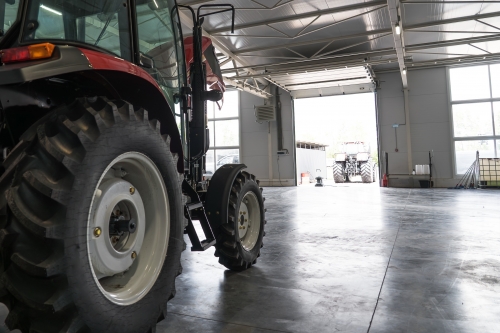
By late October, the combine is parked, tractors are lined up for winter service, and every oil change adds gallons to the drums by the shop door. For Colorado and eastern Wyoming farms that maintain their own equipment, that used oil can fuel a waste oil furnace in the workshop or equipment shed. Among heating solutions for farms, Clean Burn systems put that maintenance byproduct to work.
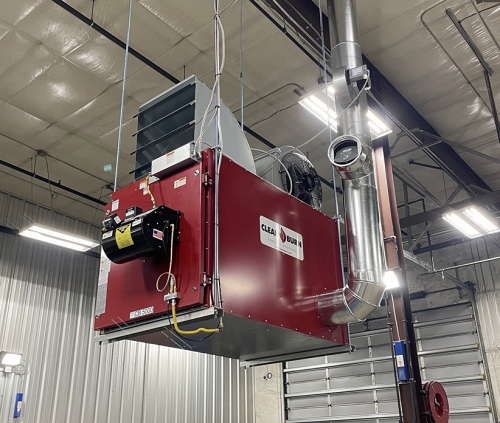
A Clean Burn furnace that short cycles, repeatedly locks out, or puts out less heat than usual may be warning you about a problem before it outright fails. Clean Burn service can include routine maintenance, troubleshooting, or repairs when the system isn't operating properly. Catching those symptoms early can keep a smaller issue from leaving your shop cold in January. Interstate Energy supports Clean Burn systems across Colorado and Eastern Wyoming, with scheduled maintenance available to help keep equipment ready for the heating season.
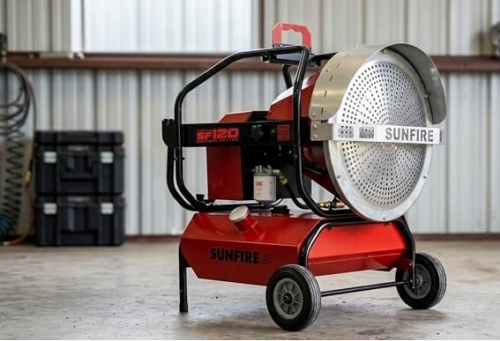
A hard freeze can turn an ordinary morning on Colorado's Eastern Plains into a scramble between newborn calves, cold equipment, and chores that still need to get done. Heat may be needed in the calving barn first, then over in the equipment bay once the tractors start moving. The SunFire 150 provides portable radiant heat that can move between work areas as conditions change. For farms and ranches spread across multiple buildings, that mobility gives crews more flexibility when temperatures drop.
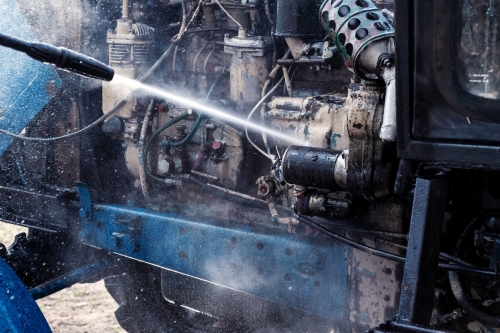
Mud has dried across an excavator's tracks, grease is packed around the undercarriage, and the nearest reliable outlet may be nowhere near the equipment. A gas pressure washer gives crews the pressure and flow to clean heavy equipment where the work is happening without depending on electrical service. For construction sites, utility right-of-way projects, and agricultural operations, strong cleaning performance without relying on electrical service can matter more than having the highest pounds per square inch (PSI) rating on the spec sheet.