
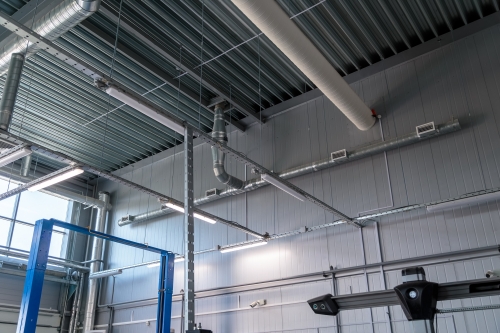
Warehouse environments create complex heating demands. Large square footage, high ceilings, open dock doors, and constant airflow make consistent temperature control difficult. Warm air rises toward the roof deck while cooler air settles near the floor where employees and equipment operate. Effective warehouse heating solutions account for heat load, airflow patterns, and fuel efficiency from the start. If your facility produces used motor oil, hydraulic oil, or transmission fluid, you already generate a usable on-site fuel source. Converting that waste stream into controlled heat can strengthen your overall heating strategy while reducing reliance on outside energy markets. Businesses evaluating cost effective solutions for heating a warehouse often begin by comparing fuel types, system efficiency, and long-term operating costs before identifying the best fit for their facility.
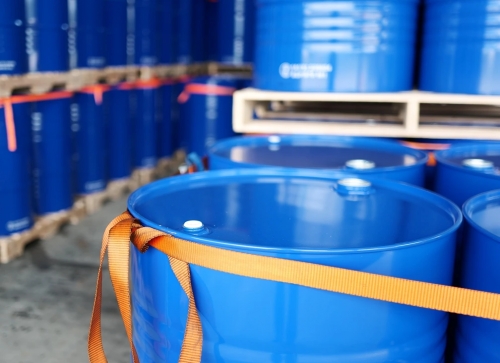
Thinking about building your own heater usually starts the same way. Used oil stacks up fast. Heating bills keep climbing. Videos online make homemade systems look simple enough to tackle in a weekend. That combination creates a tempting shortcut. Turn waste into heat, cut costs, and move on. The idea often leads shop owners toward a DIY waste oil heater, especially when early test runs seem to work without trouble. The real problems show up later, once a homemade setup moves from a quick experiment into daily facility use.
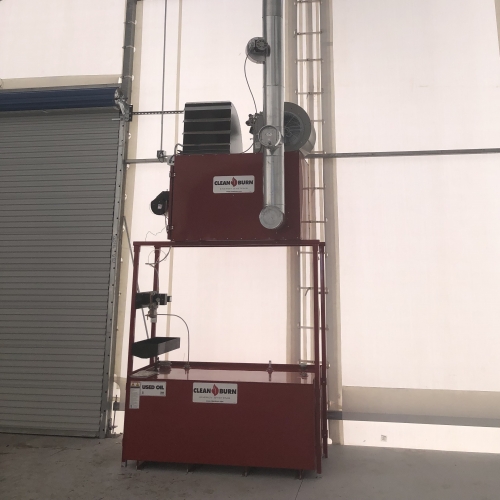
The shop is quiet, as cold air sits heavy on the floor. You flip the switch and listen for a response. That first ignition gives the answer fast. A clean flame means the day moves forward. A stumble or puff of smoke signals restriction already forming inside the system. Shops that stay ahead of winter rely on consistent waste oil furnace cleaning to keep heat output stable when demand rises. Buildup doesn’t show up all at once, so cleaning gets pushed back until heat output starts slipping. That’s usually where the trouble begins.
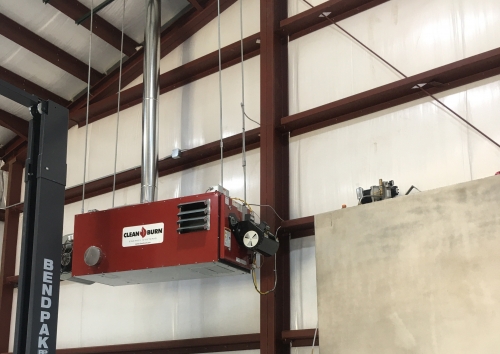
If you run a small shop or garage, heating decisions feel personal. Every dollar matters. Every square foot matters. Oversized systems cost more than they deliver, while underpowered heaters leave cold spots that never go away. That tension is why many shop owners start asking whether a small waste oil burner could be the right fit for their space. The answer depends less on size alone and more on how your operation actually runs.