
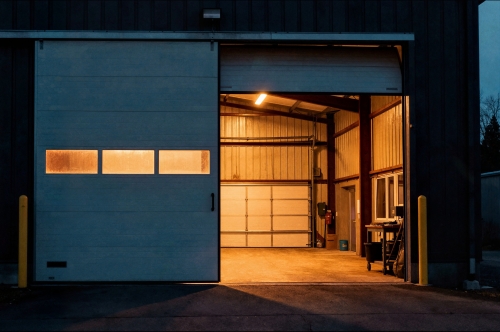
Every Clean Burn furnace is built for different heating demands, waste oil production levels, and building layouts. Choosing the right model affects everything from heating performance to how efficiently your shop puts its waste oil to use over time. Whether you're replacing an aging furnace, expanding your facility, or installing a waste oil heating system for the first time, selecting the right unit now can help avoid costly changes later. We offer the full Clean Burn furnace lineup, and the sizing guidance below will help you identify the best fit for your shop.
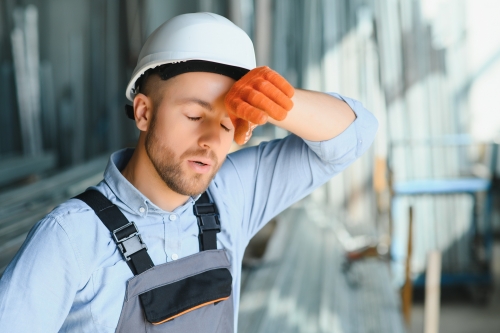
By July, most Colorado and Wyoming warehouses feel it by mid-morning. Heat sits near the ceiling. The loading dock turns humid, and staff loses steam before lunch. Air-Focus commercial fans solve that problem, part of the Air Movement Solutions lineup that Interstate Energy distributes across the region. They move large volumes of air, ease the load on your HVAC system, and skip the bulky footprint of a traditional barrel fan. Instead of fighting the heat all summer, you fix the airflow once and move on.
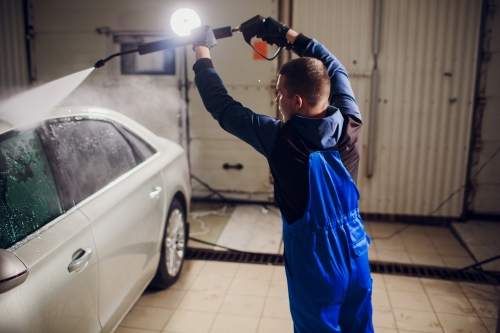
A gasoline powered pressure washer running inside a closed bay fills the air with carbon monoxide as it cleans. That single fact rules out gas and diesel units for indoor cleaning long before power, PSI, or price become the deciding factors. An electric pressure washer for indoor use solves that problem by design because an electric motor produces no combustion exhaust. Facilities that need indoor pressure washing rely on Mi-T-M electric pressure washers that deliver commercial cleaning performance without combustion exhaust.
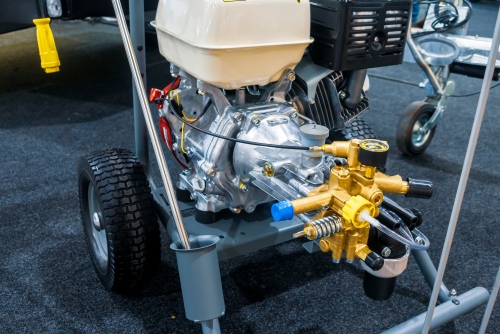
Two pressure washers can have nearly identical PSI, horsepower, and price tags, yet deliver very different service lives. The biggest difference isn't always visible from the outside. It comes down to how the pump is driven. Choosing between a belt drive vs direct drive pressure washer affects maintenance costs, service life, and long-term reliability far more than most buyers expect. Interstate Energy supplies Mi-T-M pressure washers with both drive configurations, helping businesses match the right machine to how often it will actually be used.