
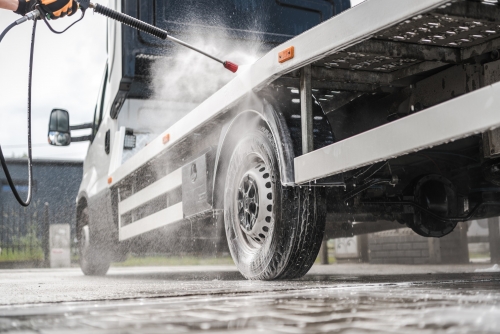
Your trucks roll back into the yard coated in gravel dust, tar, and bug splatter baked on by the afternoon heat. Winter only adds more road salt and grime. Leaving that buildup in place can contribute to corrosion, while choosing an underpowered pressure washer can waste time and labor on every vehicle. Choosing the right commercial fleet pressure washer starts with matching its PSI, GPM, and configuration to your fleet's size, vehicle types, and cleaning routine. Interstate Energy offers Mi-T-M pressure washers built for commercial fleet applications.
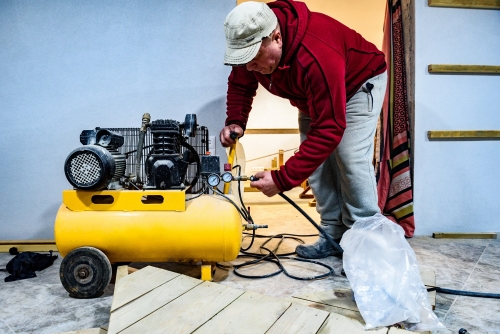
Not every jobsite has a power outlet nearby. For contractors evaluating a portable air compressor for remote sites, a gas-powered Mi-T-M air compressor delivers the airflow and mobility that electric units cannot provide when the work takes you off the grid. Three decisions drive the selection: power source, stage type, and tank size. Nail those and the equipment holds up across every condition the site throws at it.

The difference between a 45-minute wash cycle and a 90-minute one comes down to water temperature. For fleet managers, shop owners, and Ag operations dealing with grease and road film daily, that gap translates directly into labor hours lost every week. A hot water pressure washer recovers those hours, delivering faster cleaning, lower chemical spend, and cleaner results on the bonded contamination cold water equipment leaves behind. Businesses evaluating MI-T-M pressure washers for consistently find the investment pays back through labor savings alone when running two or more wash cycles per day.
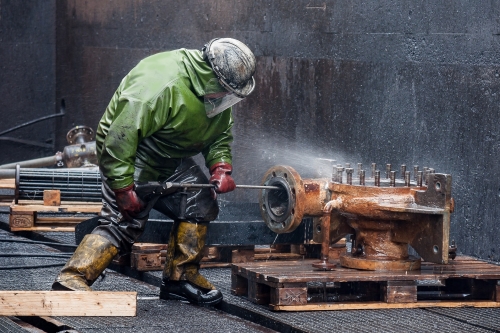
You pull a machine into the wash bay covered in mud, oil, and residue. You fire up the pressure washer, make a few passes, and the surface still looks greasy and unfinished. Sound familiar? More pressure doesn’t improve it. More time doesn’t either. Some contaminants rinse off with force. Others need heat to break down before they can be removed. That single difference separates cold water from hot water cleaning, and it directly impacts how long every job takes. This guide breaks down what works when comparing hot vs cold pressure washers, especially for industrial yards, fleet maintenance, and agricultural equipment.