
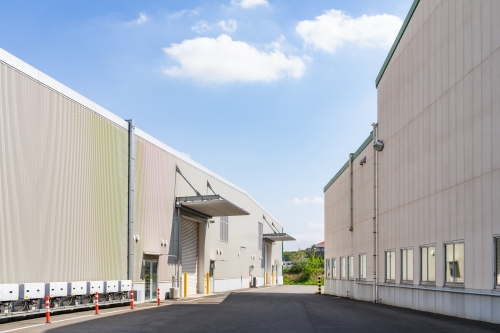
Cold weather exposes every weakness in a warehouse. Heat rises where no one works. Cold air rushes in through open dock doors. Fuel bills climb while indoor temperatures never feel stable. If that sounds familiar, you are not alone. Many facility managers reach the same breaking point and start looking at waste oil heating systems as a way to regain control over winter heating. Warehouses that generate used oil often sit on an untapped fuel source. When that oil is reused on site, heating becomes more predictable and easier to manage.
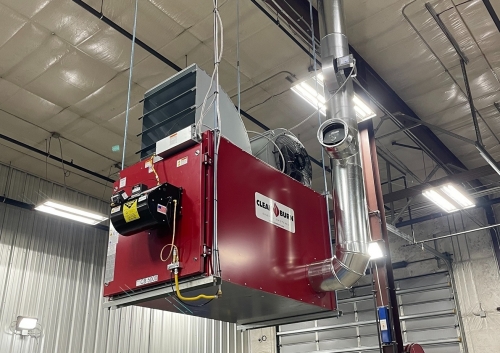
Every shop that handles engines, fleets, or heavy equipment ends up with one constant problem. Used oil piles up in drums, the cold months creep in, and heating costs rise fast. Many business owners hear about systems that can turn that leftover fluid into clean heat, but most explanations feel overly technical. Before you decide if a waste oil heater fits your shop, it helps to see how the entire process works in simple terms.
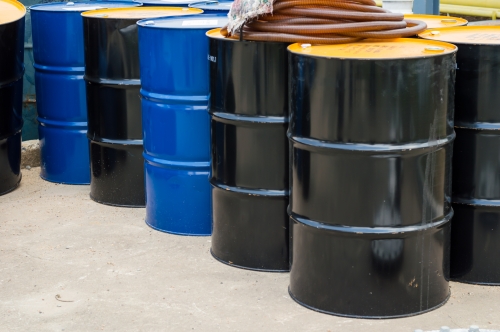
Every shop that works with engines ends up with one problem: drums of leftover oil and nowhere good to put it. Some people store it for months, hoping to figure it out later. Others pay to have it hauled away, watching money leave with every pickup. A few see potential in using it for heat when winter hits. The results depend entirely on the process. Done right, burning used motor oil can be clean and efficient. Done wrong, it can turn into a toxic and costly mistake.

Every workshop has a rhythm—tools turning, air compressors hissing, projects moving from one bay to the next. But when cold weather arrives, that rhythm slows. Heat costs rise, production dips, and even simple jobs start to feel harder in the chill. The real problem isn’t the temperature itself; it’s dependence on relying on expensive fuels and systems that never seem to keep up when you need them most. There’s a smarter way to keep your workshop running strong: turning your own waste into heat. This guide breaks down how waste oil heaters for workshops help businesses stay warm, save money, and gain control over their energy supply without sacrificing performance or sustainability.